Participation Dynamics Evolving in Number-Based Games and Live Dealer Formats Within Regulated Digital Environments
Written by Kai Beck · Oct 14, 2026
Participation Dynamics Evolving in Number-Based Games and Live Dealer Formats Within Regulated Digital Environments
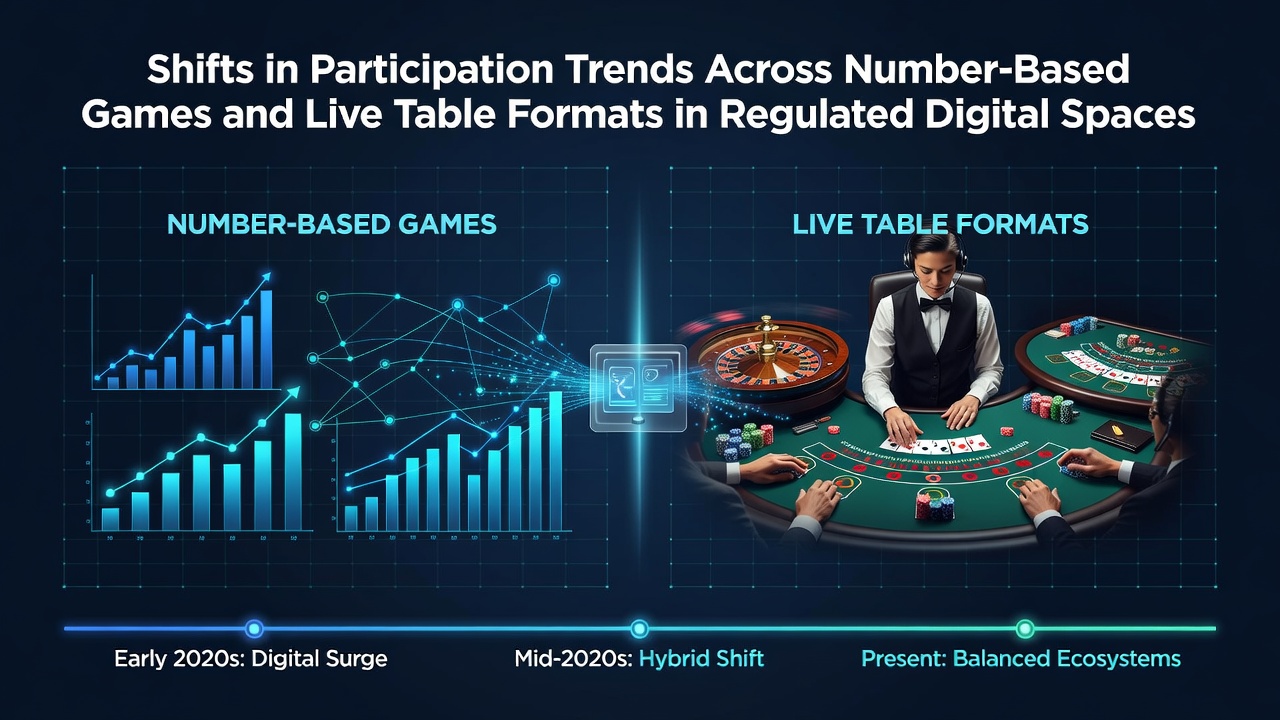
Number-based games such as lotteries, keno, and bingo along with live table formats like blackjack and roulette have experienced measurable changes in how participants engage through regulated digital platforms, and data compiled through 2026 highlights several consistent patterns across multiple jurisdictions.
Regulatory frameworks established in various regions have facilitated expanded access while maintaining oversight, which in turn has influenced how players allocate their time between these categories.
Regional Data Patterns Through Mid-2026
Reports issued by the New Jersey Division of Gaming Enforcement in October 2026 documented a 14 percent rise in digital lottery ticket sales compared with the prior year, whereas live dealer table sessions grew by 22 percent during the same interval, and these figures emerged from platforms operating under state licensing requirements that emphasize player verification and transaction tracking.
Observers note that similar movements appeared in Canadian provincial records where Ontario's iGaming market showed number game participation stabilizing after an initial surge while live table engagement continued climbing, particularly among users accessing sessions via mobile applications.
Demographic and Device Influences
Researchers at academic institutions tracking online behavior found that participants aged 25 to 34 accounted for a larger share of live table activity in regulated environments, whereas number-based games retained stronger hold among those over 45, and these distinctions became clearer when analysts examined session duration and frequency data collected from licensed operators.
Mobile device usage has driven much of the overall volume increase, with industry associations reporting that over 70 percent of live table interactions now occur on smartphones or tablets rather than desktop interfaces, and this shift aligns with infrastructure improvements that support lower-latency streaming in regulated markets.
Regulatory Factors Shaping Access
Licensing bodies in the European Union have required operators to implement standardized responsible gaming tools, and these mandates appear to correlate with steadier participation rates in both game types rather than rapid spikes followed by drops, according to aggregated statistics shared by trade groups representing multiple member states.
Australian authorities overseeing digital wagering have introduced periodic reviews of product offerings, and data from these evaluations indicate that number games experienced modest growth in subscription-style formats while live tables saw increased interest in shorter session options that fit into daily routines.
Cross-Category Comparisons
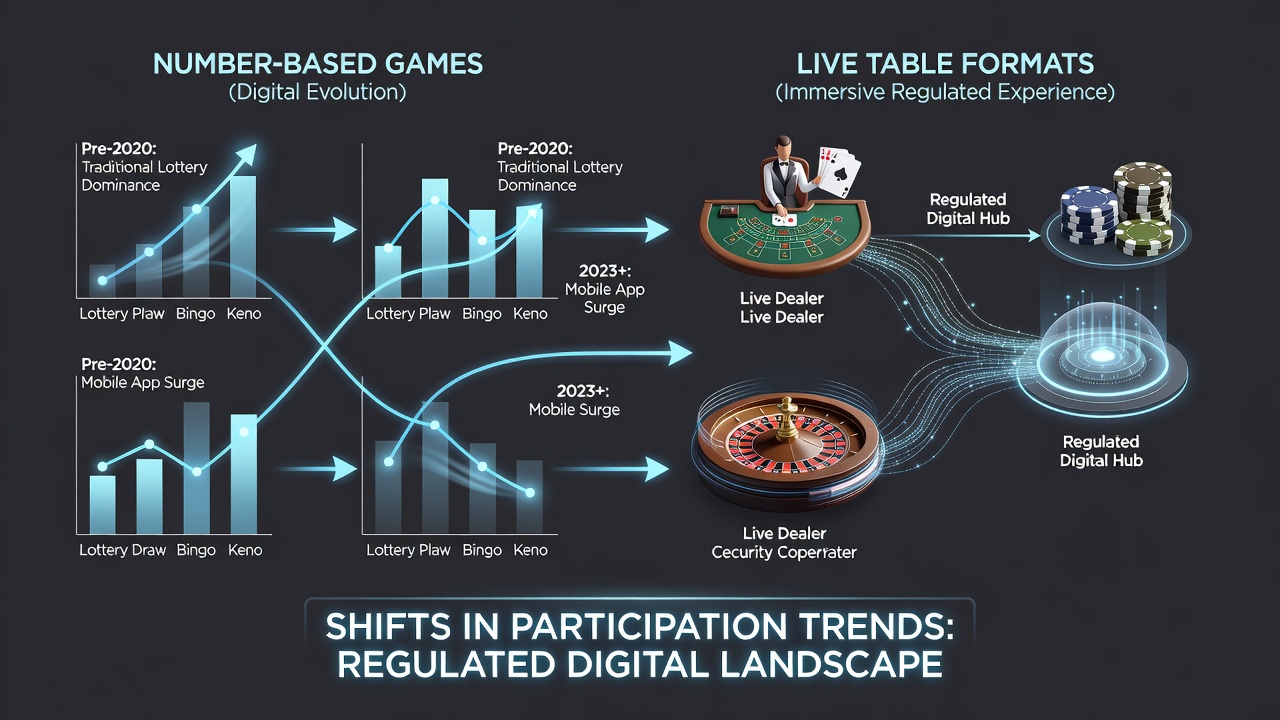
Analysts comparing the two categories observe that live table formats benefit from real-time social elements such as chat functions and dealer interactions, which sustain longer average session times, while number-based games often function on scheduled draws or instant options that allow quicker entry and exit, and both approaches appeal to distinct player preferences documented in operator reports.
Evidence from market research firms shows that promotional structures differ markedly, with number games frequently tied to large jackpot rollovers that generate periodic spikes, whereas live tables rely more on ongoing loyalty programs and tournament-style events that maintain steadier engagement throughout the year.
Technology and Platform Developments
Streaming quality improvements and integration of augmented overlays have supported growth in live dealer offerings, and operators licensed in multiple jurisdictions have invested in these features to meet demand for immersive experiences that replicate physical casino environments without physical travel.
Number-based platforms have incorporated automated number generation verification and instant result notifications, which reduce friction for users who prefer straightforward mechanics, and regulatory audits confirm that these systems maintain compliance with fairness standards across participating regions.
Conclusion
Shifts in participation across number-based games and live table formats reflect ongoing adjustments to regulatory conditions, technological capabilities, and player access methods in digital spaces, and continued monitoring by licensing authorities will likely reveal further refinements as markets mature through the remainder of 2026 and beyond.